
The Gospel According to Judah
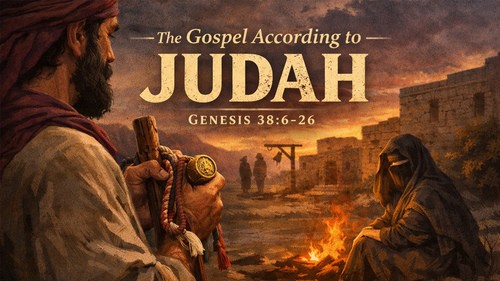
Day 1: The Sin We Cannot See
Read: Matthew 7:1-5
Judah could see Tamar's failures clearly but remained blind to his own injustice, deception, and hypocrisy. Jesus warns us about this dangerous spiritual condition—the ability to spot specks in others while ignoring the logs in our own eyes. Before we rush to judgment, we must examine our hearts honestly. Are we quick to condemn while excusing our own shortcomings? Do we use our positions of power or privilege to harm rather than help? Today, ask the Holy Spirit to reveal blind spots in your life. Confession begins with seeing ourselves truthfully. Only then can we extend the grace we've received to others who desperately need it too.
Day 2: God's Heart for the Vulnerable
Read: Psalm 68:1-6; Isaiah 1:17
Scripture repeatedly emphasizes God's special concern for widows, orphans, and the marginalized. Judah's treatment of Tamar violated God's explicit commands to protect the vulnerable. Today, injustice toward the powerless still grieves God's heart. Who are the vulnerable in your community? The elderly neighbor, the single parent, the immigrant family, those experiencing homelessness? God calls us beyond personal morality to active compassion. Our faith must extend beyond avoiding "big sins" to pursuing justice and mercy. Examine your life: Are you using whatever power, resources, or influence you have to protect and dignify others, or are you indifferent to their suffering? True righteousness includes advocating for those who cannot advocate for themselves.
Day 3: The Scandal of Grace
Read: Matthew 1:1-6; Romans 5:20-21
The genealogy of Jesus includes prostitutes, adulterers, deceivers, and foreigners—hardly the résumé we'd expect for the Messiah's family tree. Yet God intentionally weaves redemption through broken stories. Tamar, Rahab, Ruth, and Bathsheba remind us that God's salvation never depends on our perfection. Where sin increased, grace increased all the more. Your past failures, shameful secrets, and moral compromises do not disqualify you from God's purposes. He specializes in redeeming what seems irredeemable. Stop hiding your brokenness and bring it to Jesus. His grace is sufficient. His power is perfected in weakness. Your messy story can become a testimony of His transforming love.
Day 4: Declared Righteous
Reading: Romans 3:21-26; 2 Corinthians 5:21
When Judah declared Tamar "righteous," he was pronouncing a legal verdict—she was on the side of justice despite her guilt. This foreshadows the gospel: Jesus, the Lion of Judah, takes our unrighteousness upon Himself and declares us "tsadek"—righteous. Not because we've earned it, but because He exchanges His perfect record for our broken one. This is justification—being declared righteous by faith in Christ. You stand before God not based on your performance but on Christ's finished work. Let this truth sink deep: God sees you through Jesus and pronounces you righteous, restored, dignified, and fully accepted. Live today in the freedom of that verdict.
Day 5: Redemption of Broken Stories
Reading: Genesis 50:15-21; Romans 8:28
God doesn't wait for perfect people to accomplish His purposes. Throughout Scripture, He uses flawed individuals—murderers, liars, cowards, and failures—to advance His redemptive plan. Your story may be marked by poor choices, painful circumstances, or deep regrets. But God specializes in bringing beauty from ashes. Joseph told his brothers, "You meant it for evil, but God meant it for good." The same God who wove redemption through Judah and Tamar's scandal can redeem your story. Surrender your brokenness to Him. Stop disqualifying yourself. The gospel announces that Jesus came not for the righteous but for sinners. Will you invite Him to redeem your worst chapters and write a new story of grace?
Read: Matthew 7:1-5
Judah could see Tamar's failures clearly but remained blind to his own injustice, deception, and hypocrisy. Jesus warns us about this dangerous spiritual condition—the ability to spot specks in others while ignoring the logs in our own eyes. Before we rush to judgment, we must examine our hearts honestly. Are we quick to condemn while excusing our own shortcomings? Do we use our positions of power or privilege to harm rather than help? Today, ask the Holy Spirit to reveal blind spots in your life. Confession begins with seeing ourselves truthfully. Only then can we extend the grace we've received to others who desperately need it too.
Day 2: God's Heart for the Vulnerable
Read: Psalm 68:1-6; Isaiah 1:17
Scripture repeatedly emphasizes God's special concern for widows, orphans, and the marginalized. Judah's treatment of Tamar violated God's explicit commands to protect the vulnerable. Today, injustice toward the powerless still grieves God's heart. Who are the vulnerable in your community? The elderly neighbor, the single parent, the immigrant family, those experiencing homelessness? God calls us beyond personal morality to active compassion. Our faith must extend beyond avoiding "big sins" to pursuing justice and mercy. Examine your life: Are you using whatever power, resources, or influence you have to protect and dignify others, or are you indifferent to their suffering? True righteousness includes advocating for those who cannot advocate for themselves.
Day 3: The Scandal of Grace
Read: Matthew 1:1-6; Romans 5:20-21
The genealogy of Jesus includes prostitutes, adulterers, deceivers, and foreigners—hardly the résumé we'd expect for the Messiah's family tree. Yet God intentionally weaves redemption through broken stories. Tamar, Rahab, Ruth, and Bathsheba remind us that God's salvation never depends on our perfection. Where sin increased, grace increased all the more. Your past failures, shameful secrets, and moral compromises do not disqualify you from God's purposes. He specializes in redeeming what seems irredeemable. Stop hiding your brokenness and bring it to Jesus. His grace is sufficient. His power is perfected in weakness. Your messy story can become a testimony of His transforming love.
Day 4: Declared Righteous
Reading: Romans 3:21-26; 2 Corinthians 5:21
When Judah declared Tamar "righteous," he was pronouncing a legal verdict—she was on the side of justice despite her guilt. This foreshadows the gospel: Jesus, the Lion of Judah, takes our unrighteousness upon Himself and declares us "tsadek"—righteous. Not because we've earned it, but because He exchanges His perfect record for our broken one. This is justification—being declared righteous by faith in Christ. You stand before God not based on your performance but on Christ's finished work. Let this truth sink deep: God sees you through Jesus and pronounces you righteous, restored, dignified, and fully accepted. Live today in the freedom of that verdict.
Day 5: Redemption of Broken Stories
Reading: Genesis 50:15-21; Romans 8:28
God doesn't wait for perfect people to accomplish His purposes. Throughout Scripture, He uses flawed individuals—murderers, liars, cowards, and failures—to advance His redemptive plan. Your story may be marked by poor choices, painful circumstances, or deep regrets. But God specializes in bringing beauty from ashes. Joseph told his brothers, "You meant it for evil, but God meant it for good." The same God who wove redemption through Judah and Tamar's scandal can redeem your story. Surrender your brokenness to Him. Stop disqualifying yourself. The gospel announces that Jesus came not for the righteous but for sinners. Will you invite Him to redeem your worst chapters and write a new story of grace?