
Pathways to Forgiveness
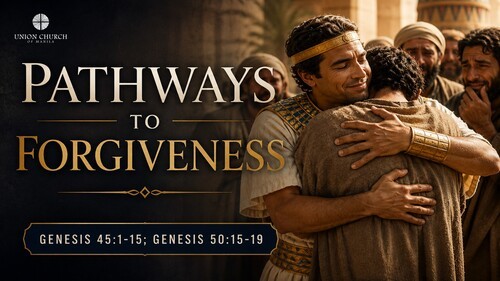
Day 1: Naming the Wound
Read: Genesis 45:1-8; Matthew 18:15-17
Read: Genesis 45:1-8; Matthew 18:15-17
Joseph's first words to his brothers were direct: "I am Joseph, whom you sold into Egypt." Before reconciliation could begin, the sin had to be named. Forgiveness doesn't mean pretending nothing happened. Like a surgeon who must identify the wound before healing can occur, we must acknowledge where we've been hurt.
Jesus teaches us to go directly to those who have sinned against us. This isn't about condemnation but about opening the door to restoration. Suppressing pain only allows bitterness to grow. When we honestly name our wounds before God and, when appropriate, before others, we create space for genuine healing.
Is there an unnamed wound in your heart today? Bring it into the light. Acknowledge it honestly before God. This is where the pathway to freedom begins.
Day 2: God's Sovereignty in Our Suffering
Read: Genesis 50:15-21; Romans 8:28-39
Day 2: God's Sovereignty in Our Suffering
Read: Genesis 50:15-21; Romans 8:28-39
"You meant evil against me, but God meant it for good." Joseph's declaration reveals a profound truth: God's sovereignty extends even over the sins committed against us. This doesn't excuse the wrongdoing or minimize the pain, but it reminds us that nothing enters our lives outside God's purposeful permission.
When Elisabeth Elliot returned to the tribe that killed her husband, she embodied this trust. She believed God was engineering something greater than her tragedy. This perspective doesn't make forgiveness easy, but it makes it possible.
The cross itself demonstrates this truth. The greatest evil ever committed became the means of our salvation. When we trust that God can weave even our deepest wounds into His redemptive purposes, we find strength to release those who have hurt us. Your pain has not escaped God's sovereign care.
Day 3: Leaving Justice to God
Read: Genesis 50:19; Romans 12:17-21
Day 3: Leaving Justice to God
Read: Genesis 50:19; Romans 12:17-21
"Am I in the place of God?" Joseph's question reveals the secret to his freedom. He refused to occupy the judge's seat. He understood that vengeance belongs to the Lord alone. When we insist on personal revenge, we essentially tell God His justice isn't sufficient. We replay offenses in mental courtrooms, prosecuting offenders daily, exhausting our souls in the process. But God sees every motive, every circumstance, every hidden thought. He judges with perfect holiness and administers justice without sinning.
Stepping down from the judge's seat is liberating. It doesn't mean justice disappears; it means justice changes hands—from ours to God's. When we entrust the outcome to Him, we're finally free to forgive.
Who are you still trying to judge? What would it look like to leave that person in God's capable hands today?
Day 4: The Cost of Forgiveness
Read: Matthew 18:21-35; Ephesians 4:25-32
Day 4: The Cost of Forgiveness
Read: Matthew 18:21-35; Ephesians 4:25-32
Forgiveness is always costly. Someone always pays. When the king forgave the servant's billion-dollar debt, the debt didn't vanish—the king absorbed the loss himself.
At the cross, God absorbed the infinite cost of our rebellion. Every sin we've committed against His infinite holiness created an unpayable debt. Yet Christ paid it fully. The Father gave His beloved Son. Jesus gave His life.
The tragedy in Jesus' parable isn't just that the servant refused to forgive—it's that he was willing to receive forgiveness at enormous cost but unwilling to absorb any cost for others. When we withhold forgiveness, we're saying we want to receive what cost God everything but won't pay anything ourselves.
Every act of forgiveness reenacts the gospel. Yes, it may be costly. Yes, it may be painful. But that's how God's forgiveness came to you.
Day 5: Forgiven People Forgive
Read: Colossians 3:12-17; 1 John 4:7-21
Day 5: Forgiven People Forgive
Read: Colossians 3:12-17; 1 John 4:7-21
"Be kind to one another, tenderhearted, forgiving one another, as God in Christ forgave you." Paul's instruction isn't merely moral advice—it's a call to embody the gospel we've received.
Joseph could forgive because he lived in the bigger story of God's redemptive purposes. We can forgive because we've been forgiven. The cross doesn't minimize what others have done to us. Some wounds are deep. Some betrayals alter our lives. Some scars remain for years. But the cross reminds us of how greatly we've been forgiven and calls us to extend that same grace.
In every act of forgiveness, you tell the story of Jesus. You proclaim that mercy triumphs over vengeance, that grace is stronger than sin, that the cross is greater than the wound.
Is there someone whose face came to mind as you've read this week? Today is the day to begin the journey toward forgiveness—not because they deserve it, but because you've been forgiven.